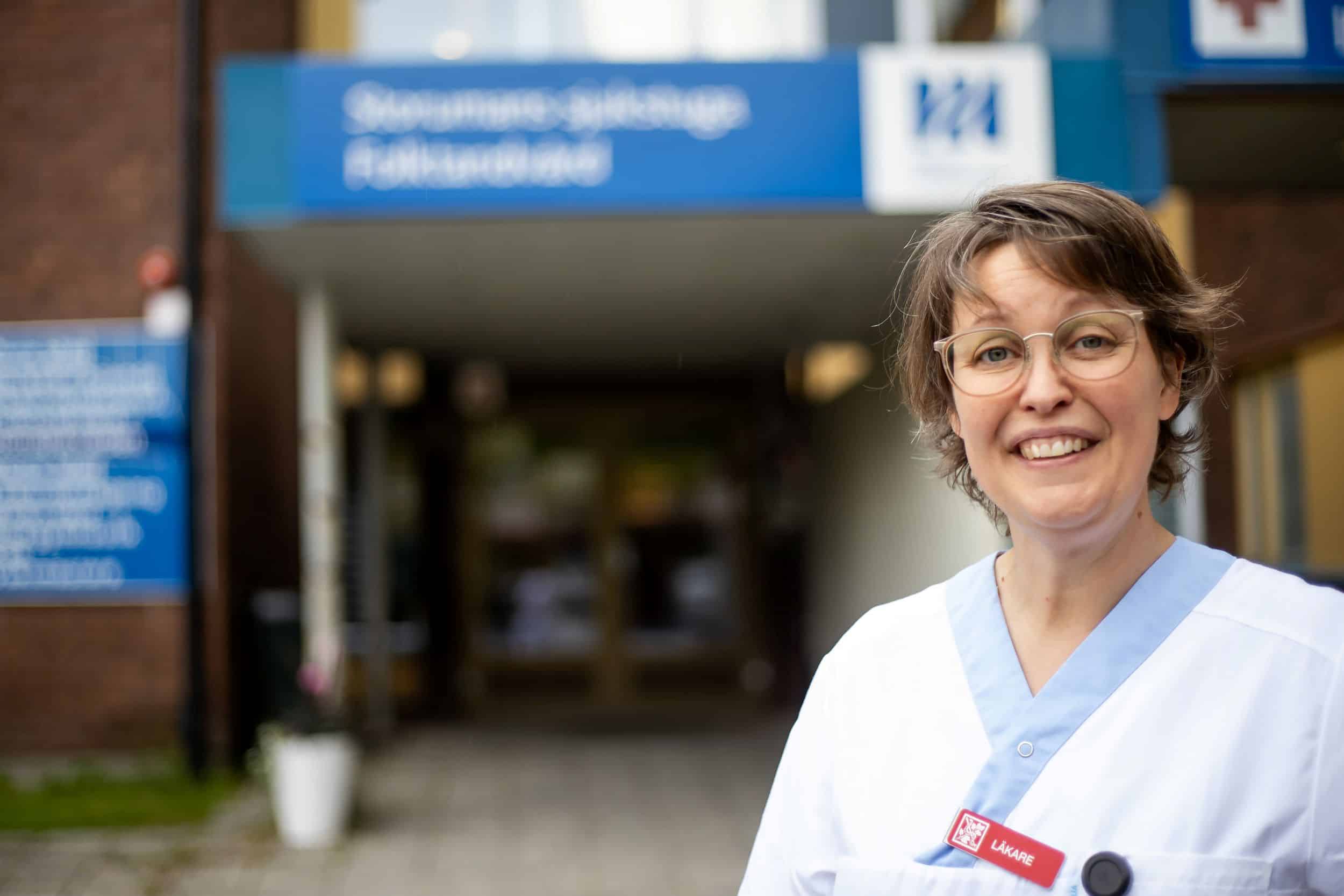
“My job is similar to that of the old provincial doctors”
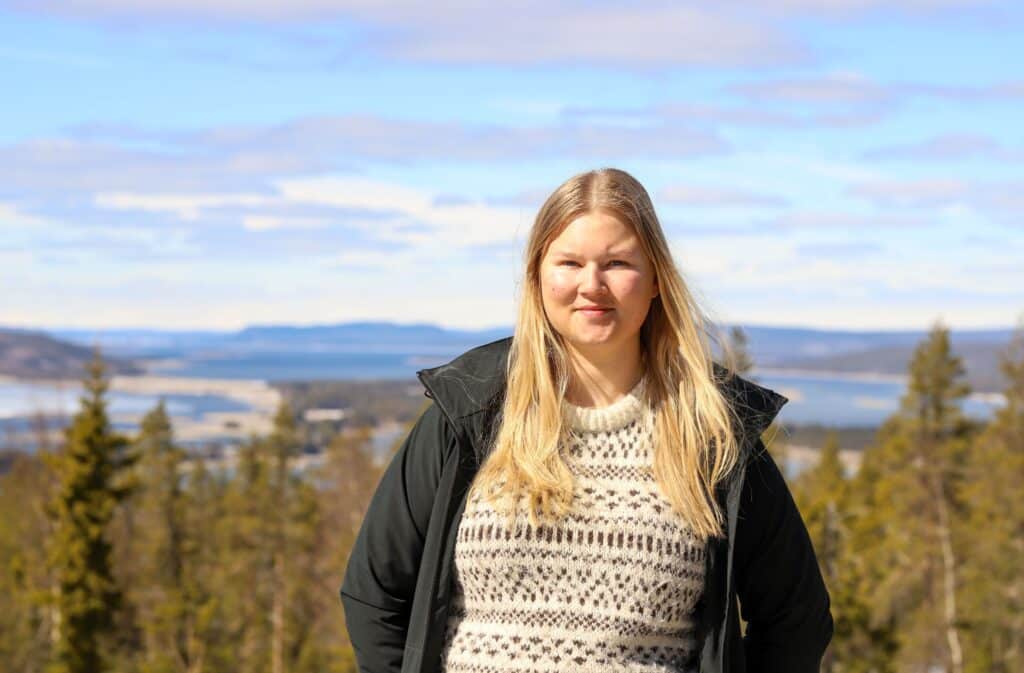
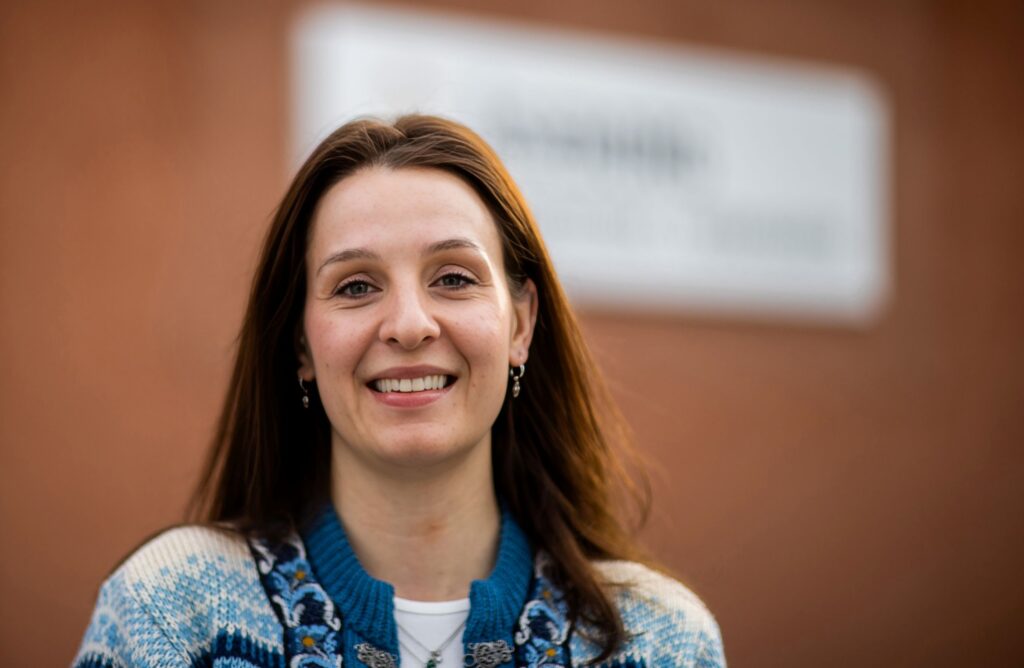
“The absolute best thing about my job is that I get to meet all kinds of people at every stage of life, from babies to the elderly,” says Dr. Alexandra Wermelin.
Alexandra Wermelin works as a general practice specialist at the Storumans health center, one of seven health centers in Southern Lapland, which—together with the Center for Health in Sparsely Populated Areas (formerly the Center for Rural Medicine)—has been designated by WHO Europe as a demonstration platform for advanced primary care in sparsely populated areas.
The clinic—a health center that houses an emergency care unit with eight beds, an X-ray facility, and its own laboratory—is staffed around the clock.
“Working as a doctor at the clinic is the most rewarding and varied job you can have. If you’re interested in general medicine, this is as close as you can get to the old provincial doctors,” says Alexandra, who is 41 years old and has deep roots in the municipality of Sorsele, where she lives in the village of Blattnicksele with her husband and their three children in a house overlooking the pristine Vindel River.
A fantastic job
Alexandra grew up in the village of Lillselebränna and attended school in nearby Blattnicksele before continuing her education in Sorsele and attending high school in Storuman. After gaining work experience in elder care and at her mother’s catering business, she moved to Umeå to study medicine. After completing her training with a residency in Storuman, she has spent the past 1.5 years balancing a part-time position as a general practitioner in Storuman with her doctoral studies.
Alexandra is proud of the work they do at the Storumans infirmary. Even though they can’t do as much as the provincial doctors of the past, patients can be cared for on site—whether it’s end-of-life care, rehabilitation, or observation.
“We’re able to provide a lot of care, even though our resources aren’t unlimited. I’m proud of that. Of course, there are downsides, like the region’s economic situation, but the work itself is fantastic.”

Conducts research and teaches
As a doctoral student in medical education, specializing in rural medicine, she devotes part of her work time to research and teaching, both remotely and on-site in Umeå and Storuman.
–Another great thing about this job is that we have the rural medicine track. That means medical students from Umeå can complete part of their training here in Storuman. Two students per semester can choose to come here starting in their fourth semester and beyond. They then receive clinical training with us, which is my second favorite part of the job. It’s also connected to my research area, which is rural medicine.
–Sure, it takes a lot of juggling with three small children, after-school activities, and on-call shifts; I drive many mil per year. But the commute isn't a problem for me—partly because I'm used to it, and partly because I think it's worth it to be able to do different things and live where I want.
All health centers in the inland regions have similar responsibilities, and the work is both challenging and varied.
–I really recommend that everyone who can—not just doctors, but also nurses, nursing assistants, occupational therapists, physical therapists, and social workers—try working in a setting like this. It’s very rewarding to work in a small unit where you get to do a lot.
Quality of Life and Village Community
Life in Sorsele combines a fulfilling work life with a rich leisure life. In addition to a sense of security and proximity to nature, cultural activities and services are within easy reach.
The family enjoys taking both long and short trips whenever they can, and when they do, they usually fly from Lycksele or one of the coastal cities—Luleå, Skellefteå, or Umeå. Or they simply drive across Sweden to visit friends.
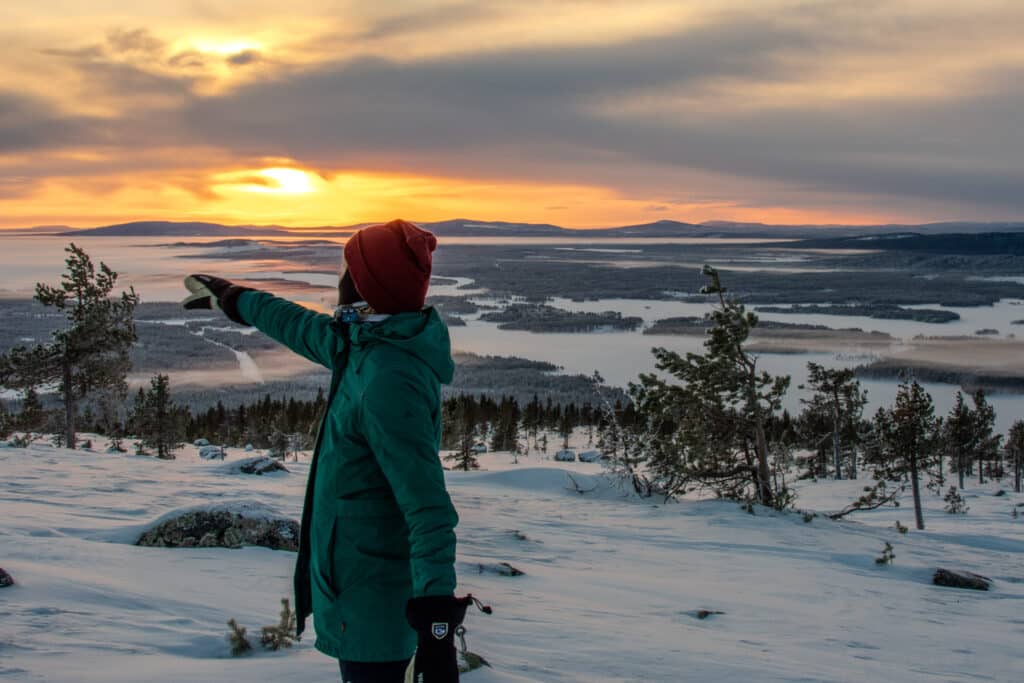
“I’ve never even thought about moving away from here. It was necessary for a while during my studies, but I’m happiest here. I like living next to the river and watching the seasons change—the varying water levels, the ice, the dog sleds, and the people walking by. It feels amazing to have nature right outside my window.”
Alexandra, who had a wonderful childhood back home in the village where she and her brother built treehouses in the woods and played with friends, says that the quality of life there is hard to beat; children get to grow up safely, close to both nature and the community; the service is personalized; and even though some things require a bit of planning—like going to a water park or dining at a fancy restaurant—the benefits, such as affordable housing, outweigh the drawbacks.
–Here, you can enjoy a really good standard of living at a reasonable price. We wouldn’t have been able to afford comparable housing in, say, Umeå. When you’re not up to your ears in debt, you feel free in a different way.
She has always felt at home in the village community, where people know and help one another. She brings up the topic of inclusion, ponders for a moment whether it also applies to people who move in, and concludes that if you’re just open and friendly, you’re usually included automatically. Alexandra is very social and would rather invite friends over for dinner than spend time in the woods, though she enjoys picking berries and mushrooms. She’s very interested in cooking, but what she’d really like to do is travel, meet new people, and see new places.
–But the best part is still coming home!
———-
Text: Monica Wiksten Gideonsson
Photo: Madeleine Rinman