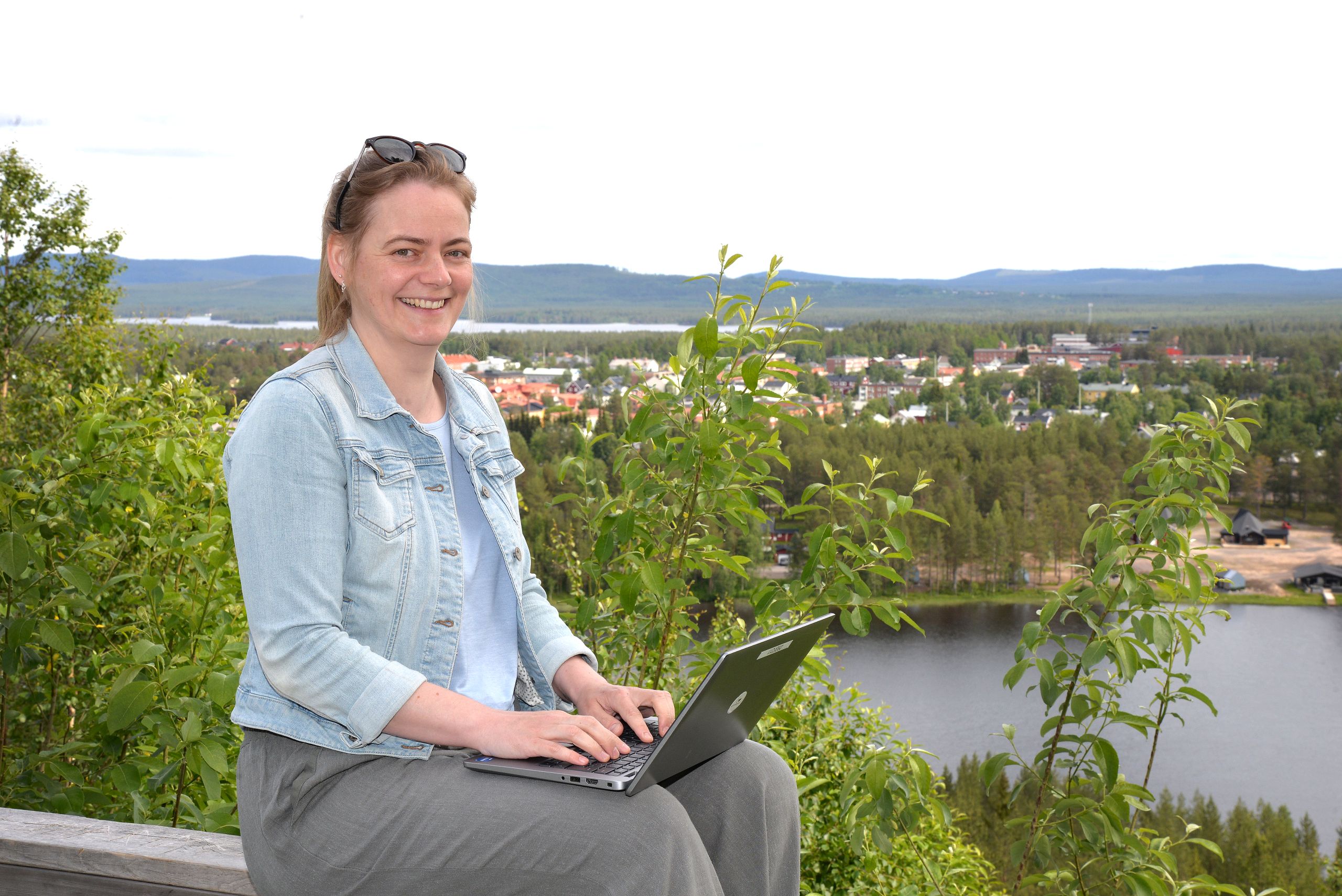
“At work, I get to be free and creative”
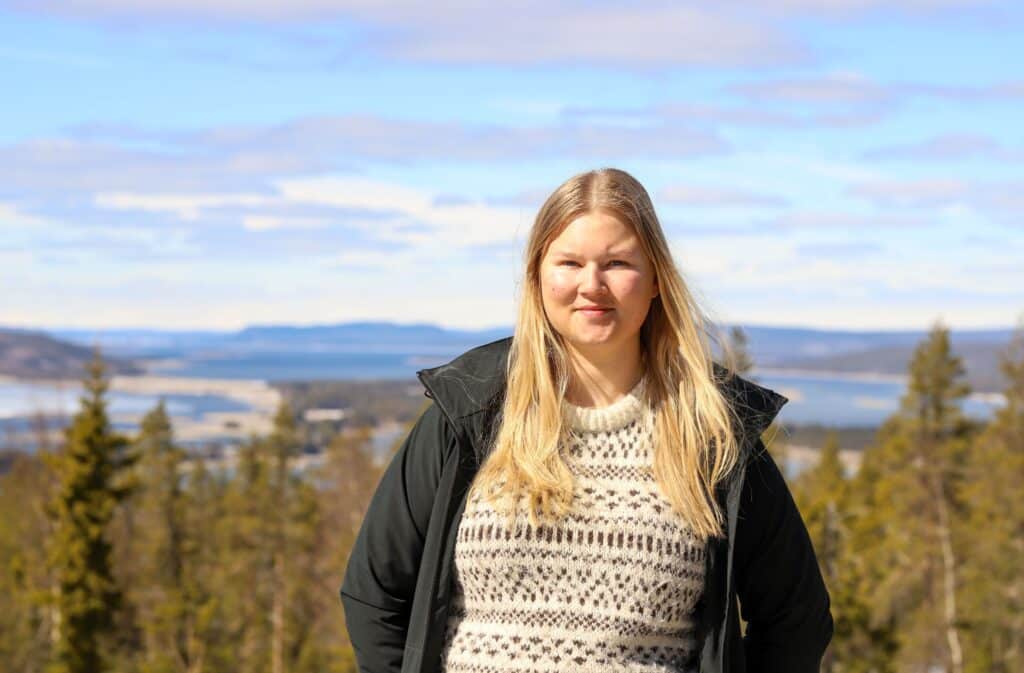
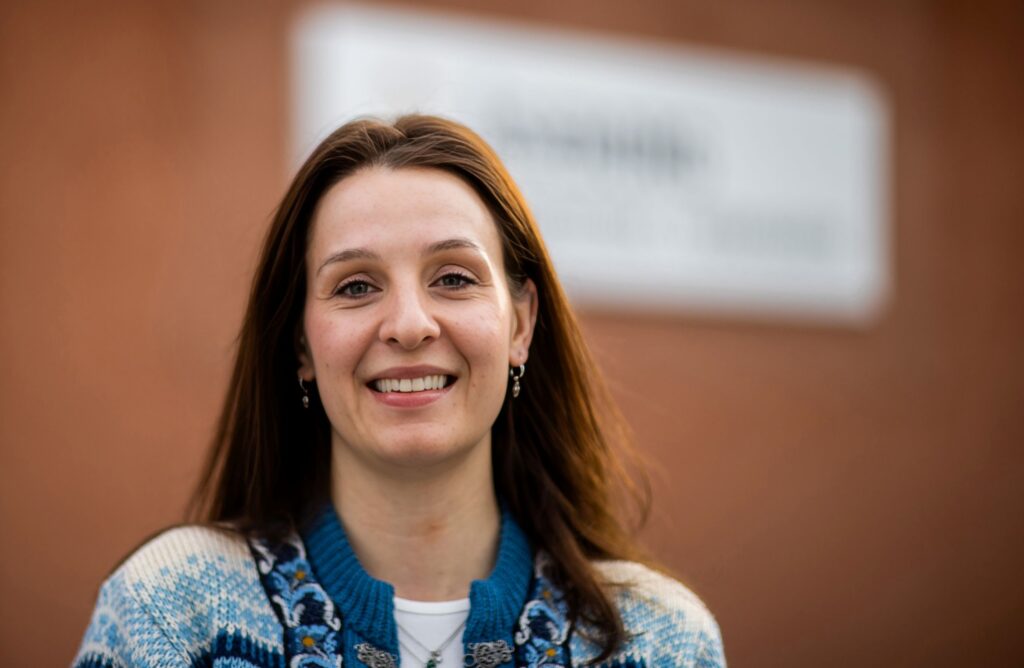
Three years ago, Andrea Fritsche decided to move permanently from Germany to Arvidsjaur, where she had spent several winter seasons working for a tourism company. She now works as a strategic communicator at Arvidsjaur Municipality.
–Everything happened at the same time after the move, I met my partner and we have a daughter who is now 2.5 years old. We have also bought back my partner's parental farm, says Andrea.
The work as a strategic communicator involves a varied job in the communications department together with a public relations officer. Andrea works with long-term communication efforts such as graphic profiling, copy design and crisis communication. Now she gets to use her creative streak to work with graphic products, which she feels is like pursuing her hobby. She appreciates the freedom, the fact that she is given responsibility and that her colleagues listen to her from the start.
The election and the qualifiers
Andrea still has her family near Düsseldorf, Germany, and studied communication science at university before deciding to apply for an internship in Sweden.
–Many Germans go to Australia or New Zealand, but I don't like bugs, so it didn't suit me. The Nordic countries and Scandinavia felt more like my thing. In 2015, she visited both Sweden and Iceland, says Andrea, and says that she got an internship at a German company that was building an ice hotel similar to the one in Jukkasjärvi.
She then returned there for eight winters before the German company went bankrupt. When she had to choose between returning to Germany or moving to Sweden, she chose the latter. Three years ago, the moving party went to Arvidsjaur where she had already made many contacts.
Told his story
Andrea was working at Hotel Laponia at the time, but after maternity leave she was reluctant to return to such a seasonal job. She was then tipped off about a vacant position as a communications officer at the municipality, which sounded like something she was trained for. The position received 41 applicants and the recruitment process was done in several steps, one of which was to create a communications campaign to attract immigrants to the municipality.
–It was probably an advantage because I had been attracted here myself and could really only tell my own story. Then being selected as one of the top four was a great success for me, says Andrea, who could hardly believe her ears when she got the call that the job was hers.
–I guessed that they wanted someone with Swedish as their native language and with local connections. It was great that they believed in me and are prepared to bring in people who are not from Sweden. I think we can contribute with new ideas and perspectives.
Like the fish in the water
As a former competitive swimmer, she swims regularly and teaches swimming lessons to children and young people. She loves being in the water and out in nature and also works as a scout leader in her spare time.
–I see these two things as my own time. It's just fun to meet parents and children, and maybe find some friends.
A lot of time is spent with family and in-laws, whom she calls her partner's family. Trying out different words from German and translating them usually works.
Andrea wants to make a move to get involved in community life. That's where you can find a social network, says Andrea, who has also been careful to learn the Swedish language early on. First in Germany through the university and then through SFI.
–The foundation for entering Swedish society is learning the language, says Andrea. If you know the language, all doors are open, both career-wise and socially. In smaller towns, personal motivation can be just as important as the right education or experience, unlike in her home country of Germany, where precise education and extensive experience weigh more heavily.
Find a network
–There are any number of jobs here. You just have to be a little flexible to get your foot in the door.
Getting into a small village socially where everyone already has their own network is not easy, Andrea thinks.
–It's simply a bit more difficult in small villages. Then many immigrants build their own small communities with people who speak the same language, because it's the easiest way to get in touch with them. It's a bit of a shame, says Andrea, who would like to have her own friends and not just rely on her partner's circle of friends.
But daring to take the step towards speaking Swedish has been challenging and at first she felt left out.
–I had some kind of barrier. I understood everything in Swedish but was happy to respond in English, which many people are uncomfortable with, says Andrea, telling of an occasion when an older acquaintance of her partner's visited and they sat around the dining table and he spoke quickly and in dialect, which meant that the usually talkative Andrea mostly sat quietly.
–It wasn't that he had refused outright, but he thought I seemed reserved, which I really am not. So he had gotten the wrong impression of me, and it hurt to realize my own limits. Maybe it was my pregnancy hormones that kicked in, but it took a toll on me and I went into the bedroom and cried. Then I decided that now I was going to start talking. It became a momentum, Andrea says.
A place to long for
Once Andrea moved here, she had already made important contacts and didn't need much help with the move itself.
–On the other hand, finding a broker who was familiar with German banks and things like that. Then it would be good if someone could explain how it works with bank ID and Swish and corporate registration numbers and the like, all that stuff that doesn't exist abroad.
Andrea still has the house she bought, but now lives in her partner's house. The couple was also lucky enough to buy back his mother's family farm.
–The farm is located outside Moskosel and is the kind of place that you, as a German, long for. In Germany, we had almost no garden and it's crowded everywhere. The farm is in a secluded location, has a huge lawn and we have crops and such – a real dream place. Our daughter will be the fifth generation to grow up there, it's great fun.
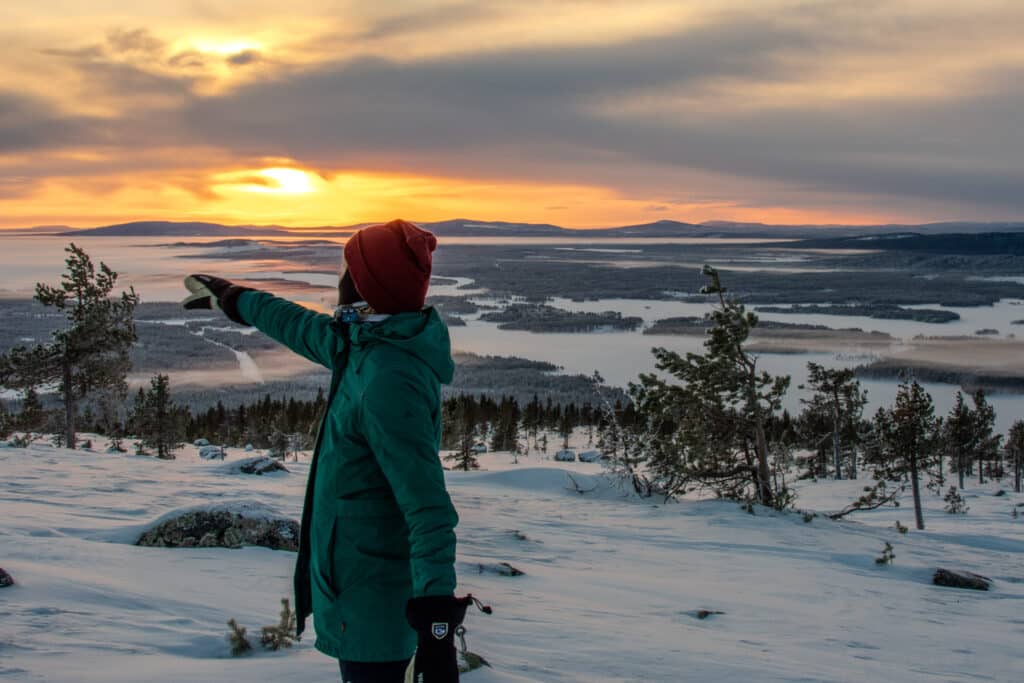
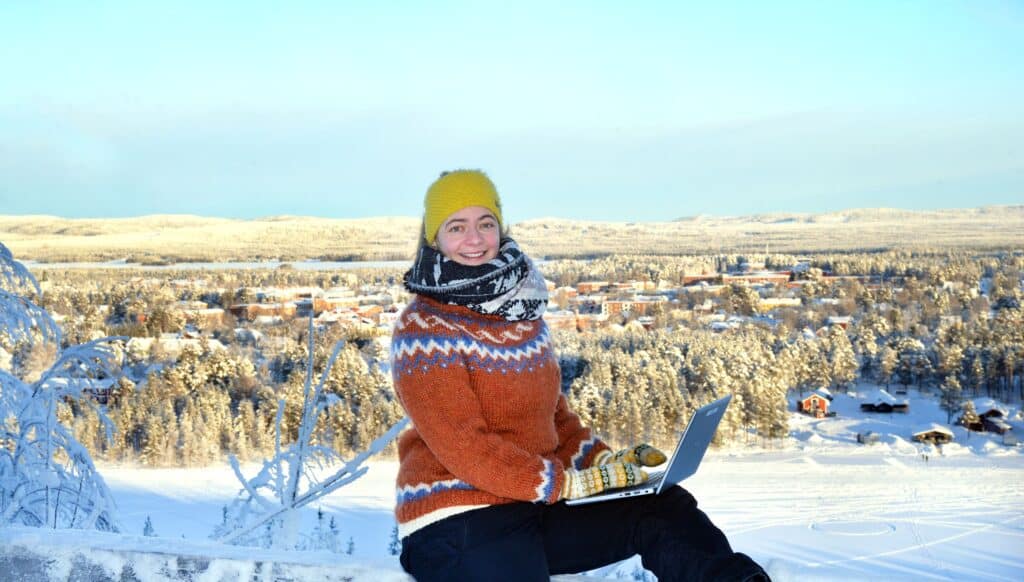
Something she appreciates about life in the north is the proximity to nature and that there is something to do in all seasons, such as walking and cycling in the summer. In winter, taking a dip or having a sandwich with coffee in the sun out on the lake.
–Arvidsjaur also has a good geographical location with good air connections and commuting distance to the coast. There is not an abundance of shops but there is a sports shop, shoe shop and grocery stores, everything you need. I have the opportunity to work full time and it is safe to know that my child is at preschool five minutes away.
Text: Monica Wiksten Gideonsson
Photo: Kent Norberg